
Specimen Identification
Specimen
TypeStatus shows a simple little message bubble icon in your status bar when it detects someone is typing an iMessage. Predicter sends you an actual notification when the message starts. TaxonID scientificNameID acceptedNameUsageID parentNameUsageID originalNameUsageID nameAccordingToID namePublishedInID taxonConceptID scientificName acceptedNameUsage parentNameUsage originalNameUsage nameAccordingTo namePublishedIn namePublishedInYear higherClassification kingdom phylum class order family genus subgenus specificEpithet. TypeStatus 1.1 takes things to the next level, it not only shows the chat bubble like indicator in the status bar when someone is typing an iMessage, it also tells you who is typing the message by replacing the clock in the status bar with the user’s email address, making the tweak even more useful (they’re prefixed with Typing).It also tells you when someone has read your message (they. Typestatus NEOTYPE OF RANA PIPIENS number 71365 order ANURA genus RANA species PIPIENS istructcaption ventral. View full record for item. Browse Key RANA typestatus HOLOTYPE OF RANA PUEBLAE number 99474 order ANURA genus RANA species PUEBLAE istructcaption dorsal. View full record for item. Browse Key RANA typestatus HOLOTYPE OF RANA PUEBLAE.
The main specimen table.| Field Name | Description | 1º Key | 2º Index | Foreign Key | ParadoxField Type |
| Section | Section of Institution (Vertebrates, Plants etc.) | Alpha, 3 characters | |||
| SpecimenNo | Long Integer | ||||
| LocPrefix | Locality | Alpha, 2 characters | |||
| LocalityNo | Locality where specimen was collected | Locality | Long Integer | ||
| AccessionNo | Accession | Long Integer | |||
| NoObjects | Alpha, 10 characters | ||||
| FieldNo | Alpha, 15 characters | ||||
| Type? | Logical |
| Field Name | Description | 1º Key | Foreign Key | ParadoxField Type |
| Section | Section of Institution (Vertebrates, Plants etc.) | Specimen | Alpha, 3 characters | |
| SpecimenNo | Specimen number | Specimen | Long Integer | |
| IndividualNo | Allows multiple taxa or individuals in a specimen number assigned (slides, slabs, bulk lots) | Short Integer | ||
| TaxonNo | Specimen identification | Taxon | Long Integer | |
| IdentifiedBy | Person who identified specimen | Person | Long Integer | |
| TaxonModifier | Any modifiers to Taxon identification (e.g. cf., ?). | Alpha, 10 characters | ||
| DateID | Date identified | Date |
Taxon
These tables are specific to section, and are the taxonomic authority files.| Field Name | Description | 1º Key | 2º Index | Foreign Key | ParadoxField Type |
| TaxonNo | Long Integer | ||||
| Taxon | Name of taxon | Alpha, 60 characters | |||
| Rank | Rank | Alpha, 5 characters | |||
| ReferenceNo | Original description | Reference | Long Integer | ||
| ParentNo | Recursive key for hierarchical relationship | Long Integer | |||
| TaxAncestry | Simplifies SQL queries for hierarchical searches | Alpha, 40 characters | |||
| Date | Year taxon name established | Alpha, 4 characters | |||
| Parens? | Whether or not parentheses are used in the name (in synonymies etc.) | Logical |
 Ranks for taxa (if desired).
| Field Name | Description | 1º Key | Foreign Key | Paradox Field Type |
| Rank | Alpha, 5 characters | |||
| RankName | Alpha, 40 characters |

| Field Name | Description | 1º Key | Foreign Key | ParadoxField Type |
| Section | Section of Institution (Vertebrates, Plants etc.) | Specimen | Alpha, 3 characters | |
| Specimen | Specimen number of type | Specimen | Long Integer | |
| TypeStatus | Status of type | TypeStatus | Alpha, 5 characters | |
| ReferenceNo | Where specimen was described | Reference | Long Integer |
| Field Name | Description | 1º Key | Foreign Key | ParadoxField Type |
| TypeStatus | Alpha, 5 characters | |||
| Type name | Alpha, 10 characters |
Typestatus Alternative
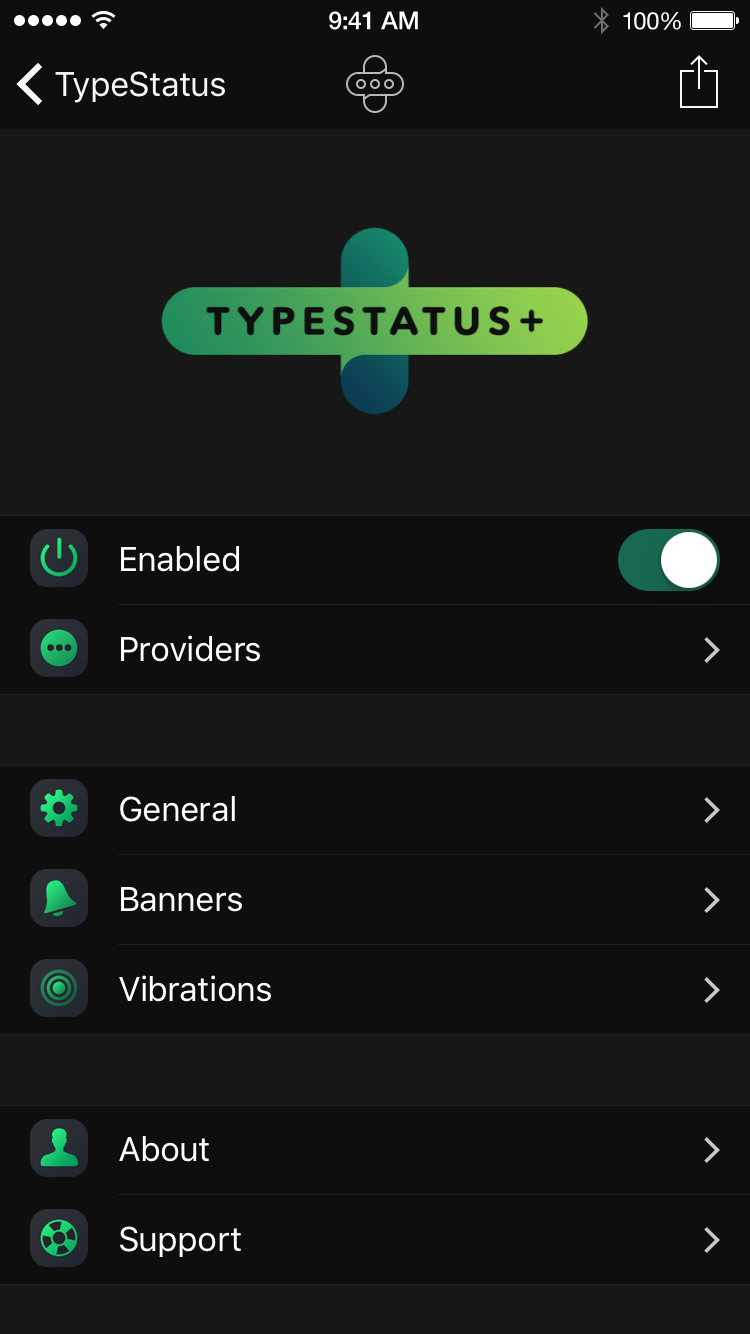
Typestatus Ios 13
| Field Name | Description | 1º Key | Foreign Key | ParadoxField Type |
| Section | Section of Institution (Vertebrates, Plants etc.) | Specimen ID | Alpha, 3 characters | |
| SpecimenNo | Specimen number of the specimen whose record was changed | Specimen ID | Long Integer | |
| ChangedDate | Date edited | Date | ||
| ChangedBy | Person who edited the identification | Person | Long Integer |
Enum Constant Summary
Enum Constants Enum Constant and Description ALLOLECTOTYPEA paralectotype specimen that is the opposite sex of the lectotype.ALLONEOTYPEA paraneotype specimen that is the opposite sex of the neotype.ALLOTYPEA paratype specimen designated from the type series by the original author that is the opposite sex of the holotype.COTYPEA deprecated term no longer recognized in the ICZN; formerly used for either syntype or paratype [see ICZN Recommendation 73E].EPITYPEAn epitype is a specimen or illustration selected to serve as an interpretative type when any kind of holotype, lectotype, etc.EXEPITYPEA strain or cultivation derived from epitype material.EXHOLOTYPEA strain or cultivation derived from holotype material.EXISOTYPEA strain or cultivation derived from isotype material.EXLECTOTYPEA strain or cultivation derived from lectotype material.EXNEOTYPEA strain or cultivation derived from neotype material.EXPARATYPEA strain or cultivation derived from paratype material.EXSYNTYPEA strain or cultivation derived from neotype material.EXTYPEA strain or cultivation derived from some kind of type material.HAPANTOTYPEOne or more preparations of directly related individuals representing distinct stages in the life cycle, which together form the type in an extant species of protistan [ICZN Article 72.5.4].HOLOTYPEThe one specimen or other element used or designated by the original author at the time of publication of the original description as the nomenclatural type of a species or infraspecific taxon.HYPOTYPEA specimen that was not part of the original type series of the species, but is known from a published description, figure, or listing.ICONOTYPEA drawing or photograph (also called 'phototype') of a type specimen.ISOLECTOTYPEISONEOTYPEA duplicate of a neotype, compare neotype.ISOPARATYPEISOSYNTYPEA duplicate of a syntype, compare isotype = duplicate of holotype.ISOTYPELECTOTYPEA specimen or other element designated subsequent to the publication of the original description from the original material (syntypes or paratypes) to serve as nomenclatural type.NEOTYPEA specimen designated as nomenclatural type subsequent to the publication of the original description in cases where the original holotype, lectotype, all paratypes and syntypes are lost or destroyed, or suppressed by the (botanical or zoological) commission on nomenclature.NOTATYPEFor specimens erroneously labelled as types an explicit negative statement may be desirable.ORIGINALMATERIALPARALECTOTYPEAll of the specimens in the syntype series of a species or infraspecific taxon other than the lectotype itself.PARANEOTYPEAll of the specimens in the syntype series of a species or infraspecific taxon other than the neotype itself.PARATYPEAll of the specimens in the type series of a species or infraspecific taxon other than the holotype (and, in botany, isotypes).PLASTOHOLOTYPEA copy or cast of holotype material (compare Plastotype).PLASTOISOTYPEA copy or cast of isotype material (compare Plastotype).PLASTOLECTOTYPEA copy or cast of lectotype material (compare Plastotype).PLASTONEOTYPEA copy or cast of neotype material (compare Plastotype).PLASTOPARATYPEA copy or cast of paratype material (compare Plastotype).PLASTOSYNTYPEA copy or cast of syntype material (compare Plastotype).PLASTOTYPEPLESIOTYPEA specimen that is both a homeotype and a hypotype.SECONDARYTYPEA referred, described, measured or figured specimen in the original publication (including a neo/lectotypification publication) that is not a primary type.SUPPLEMENTARYTYPEA referred, described, measured or figured specimen in a revision of a previously described taxon.SYNTYPEOne of the series of specimens used to describe a species or infraspecific taxon when neither a single holotype nor a lectotype has been designated.TOPOTYPEOne or more specimens collected at the same location as the type series (type locality), regardless of whether they are part of the type series.TYPETYPE_GENUSFor designating a type record as a reference to type information tied to a FamilyTYPE_SPECIESFor designating a type record as a reference to type information tied to a genus
Method Summary
All MethodsStatic MethodsInstance MethodsConcrete Methods Modifier and Type Method and Description booleanisTypeSpecimen()static List<TypeStatus>nameTypeStatusList()static List<TypeStatus>specimenTypeStatusList()static TypeStatusvalueOf(String name)Returns the enum constant of this type with the specified name.static TypeStatus[]values()Returns an array containing the constants of this enum type, inthe order they are declared.Methods inherited from class java.lang.Enum
compareTo, equals, getDeclaringClass, hashCode, name, ordinal, toString, valueOf
Methods inherited from class java.lang.Object
getClass, notify, notifyAll, wait, wait, wait